
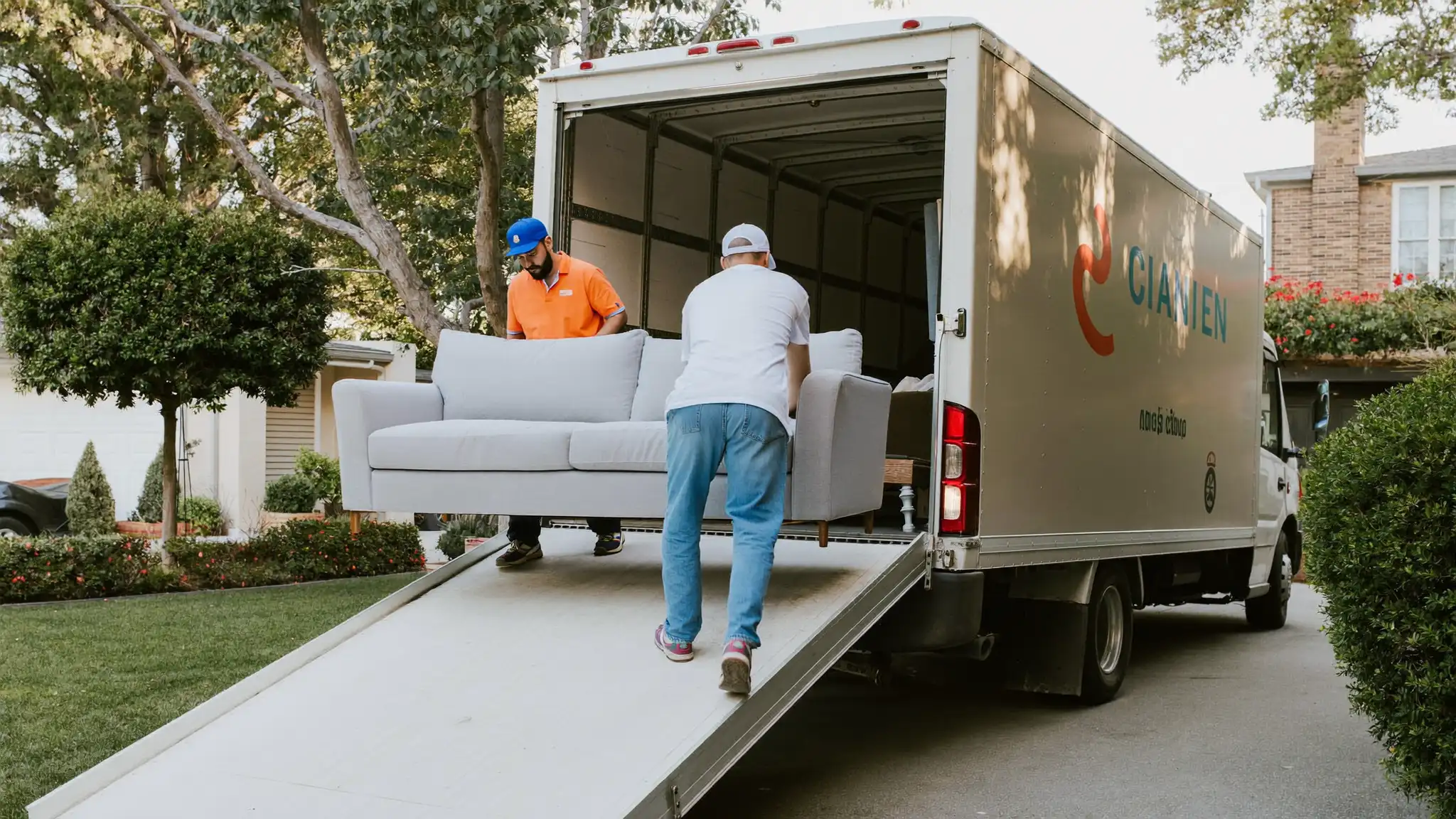
What insurance does a moving company need?
There's no one-size answer. The right mix depends on how you work, who you work for, and what your contracts ask for. These are the coverages a moving company typically looks at first:
General liability
Covers property damage inside a client's home or a building's common areas, plus injuries to anyone on the job, with the $1,000,000 per-occurrence limit property managers typically request before booking a freight elevator.
Commercial auto
Trucks used to haul furniture and boxes are work vehicles, and a personal auto policy typically excludes the business use and cargo weight movers carry.
Workers' compensation
Lifting and carrying is the job, and workers comp is built to cover a crew member's injury on a move, plus the wages lost while they recover.
Coverage always depends on your specific situation. The fastest way to see what fits is to get a quote and review your options.
Offering move-out cleaning alongside your moving jobs? See our guide to cleaning business insurance.
What does it protect against?
The risks that matter aren't abstract. They're the everyday accidents of the work. A few scenarios that turn into real claims:
A dropped item damages the client's floor or wall
A dresser scrapes a freshly painted stairwell, or a sofa corner gouges a hardwood floor on the way out the door. Property damage inside a client's home during a move is the most common claim a mover files, and general liability is designed to help cover the repair.
The truck backs into a garage door or a fence
A driver misjudges a narrow driveway and clips a garage door, or a trailer swings wide and takes out a mailbox. Vehicle-related property damage is a commercial auto claim, separate from the liability coverage that handles what happens inside the home.
A crew member is hurt lifting heavy furniture
A mover throws out their back carrying a couch down a narrow stairwell, or drops a piano box on a foot. Lifting injuries are routine in this trade, and workers comp is built to cover the medical bills and lost wages that follow.
An elevator or lobby gets damaged during a building move
A padded blanket slips and a corner of a bed frame dents an elevator wall, or a hand truck scuffs the lobby paint in a managed building. Property managers see this often enough that many require a certificate of insurance before they'll reserve the freight elevator for your crew.
Certificates of insurance
Property managers are the main reason a mover needs a certificate of insurance. Many apartment and office buildings won't reserve a freight elevator or loading dock without proof of general liability on file first, often naming the building as certificate holder. Commercial clients relocating an office ask for the same before move day. Olli's general liability policies include instant certificates, so a move doesn't stall waiting on a building's paperwork.
New to certificates? Start with our guide to the certificate of insurance: what's on one, who asks for it, and how to provide yours.
Related trades
Other trades & home services professions face many of the same risks. See how the coverage compares: