
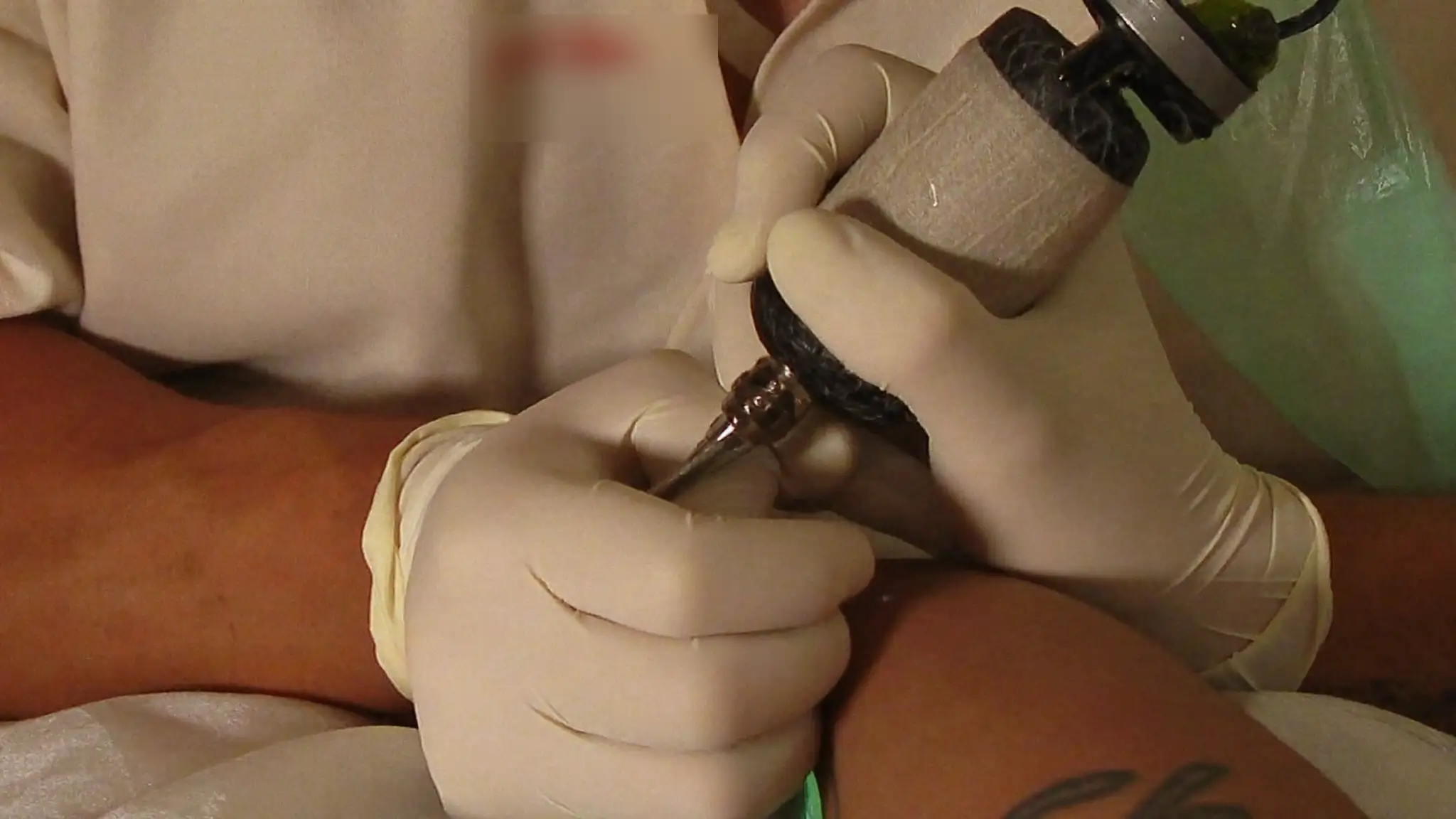
What insurance does a tattoo artist need?
There's no one-size answer. The right mix depends on how you work, who you work for, and what your contracts ask for. These are the coverages a tattoo artist typically looks at first:
General liability
Covers third-party injuries and property damage in your studio, like a client fainting during a session, with the $1,000,000 per-occurrence limit shops typically request from guest artists.
Professional liability
For claims that the tattoo itself caused harm: an infection from equipment, a reaction to ink, or a dispute that the technique caused excess scarring. That's the risk unique to permanent work on skin.
Business property
Machines, needles, ink stock, and studio equipment. Helps protect the setup your appointment book depends on against theft, fire, and water damage.
Coverage always depends on your specific situation. The fastest way to see what fits is to get a quote and review your options.
What does it protect against?
The risks that matter aren't abstract. They're the everyday accidents of the work. A few scenarios that turn into real claims:
Improperly sterilized equipment causes infection
A needle, tube, or ink cap that wasn't properly sterilized, or a single-use item that got reused, leads to a skin infection that surfaces days after the appointment. Sanitation lapses are the risk that regulators and clients both watch closest, and they can produce a serious claim.
A client reacts to ink or aftercare product
A pigment triggers an allergic reaction, or an aftercare ointment recommended by the studio irritates healing skin. The claim that the ink or the aftercare guidance caused the harm is a professional liability question, since it's about the service, not an accident.
A finished tattoo is disputed as botched or scarred
Healed skin shows uneven lines, excess scarring, or a design the client says doesn't match what was approved, and they demand a refund or damages for a permanent result. Disputes over technique and outcome, not just injury, are exactly what professional liability is built to address.
Someone is injured in the studio
A client faints during a long session and falls off the table, or a visitor trips over equipment cords near a station. Third-party injuries in your space are the classic general liability claim.
Certificates of insurance
For a tattoo artist, the certificate-of-insurance request usually comes from the shop: most owners require guest artists and booth renters to show a COI, often naming the shop as certificate holder, before setting up a station. Conventions and pop-up events ask for the same when you work a guest spot. Olli's general liability policies include instant certificates, so a new station doesn't wait on paperwork.
New to certificates? Start with our guide to the certificate of insurance: what's on one, who asks for it, and how to provide yours.
Related trades
Other beauty & wellness professions face many of the same risks. See how the coverage compares: