
What insurance does a videographer need?
There's no one-size answer. The right mix depends on how you work, who you work for, and what your contracts ask for. These are the coverages a videographer typically looks at first:
General liability
Covers third-party injuries and property damage on longer, higher-crew shoots, with the $1,000,000 per-occurrence limit venues and clients typically request.
Business property
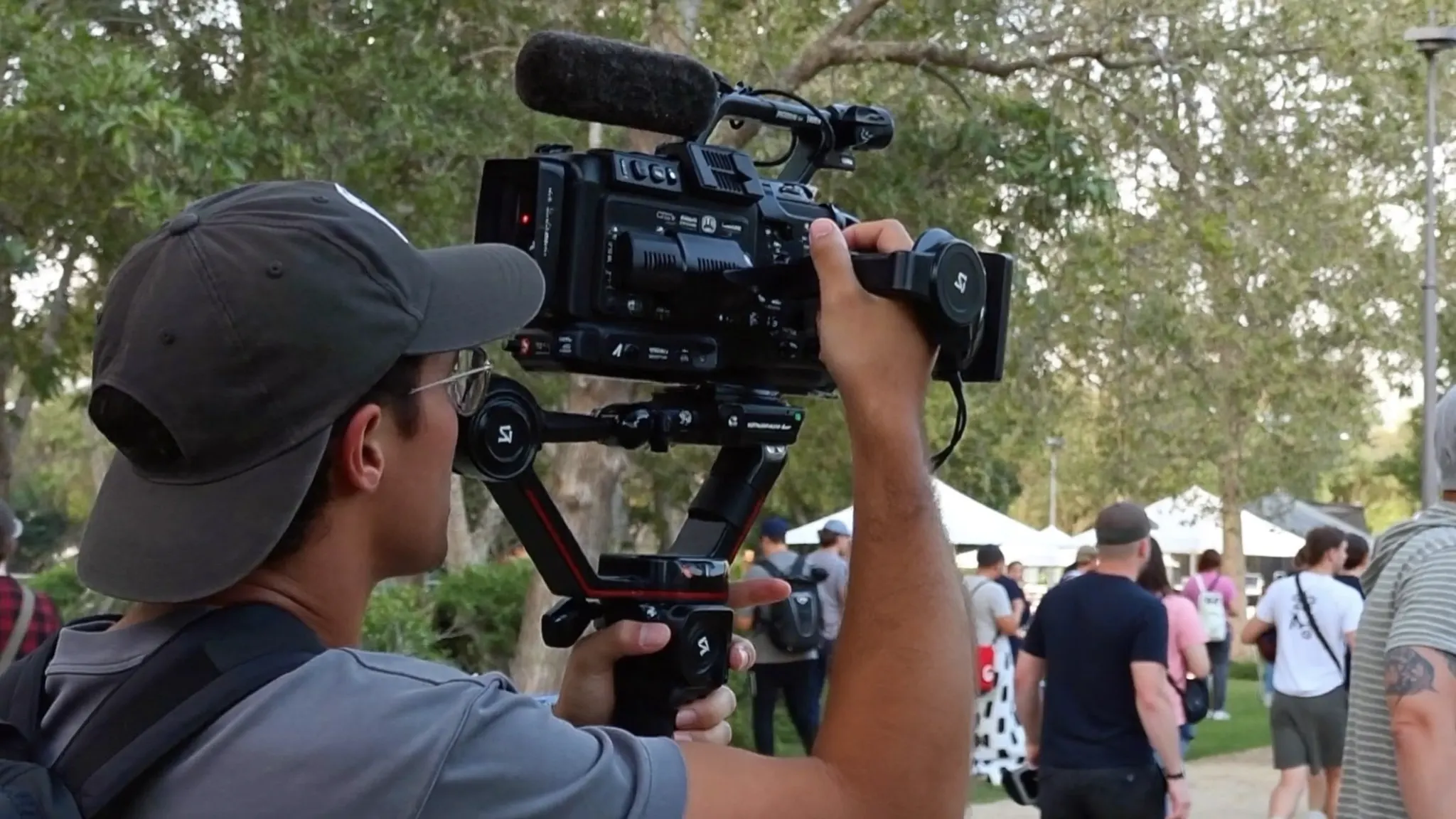
Cinema cameras, gimbals, and audio gear represent more investment, and often more rented equipment, than a typical photography kit, and this helps protect it against theft and damage.
Professional liability
For claims that the delivered film itself caused a loss: a missed wedding delivery, a brand video that missed the agreed scope.
Coverage always depends on your specific situation. The fastest way to see what fits is to get a quote and review your options.
Shooting stills instead of motion raises a related but different set of questions, from shorter sessions to different gear. See our guide to photographer insurance.
What does it protect against?
The risks that matter aren't abstract. They're the everyday accidents of the work. A few scenarios that turn into real claims:
A crew member or guest is hurt during a long shoot
Video productions run longer and involve more people than a typical photo session, from assistants to talent to onlookers. When someone trips over a slider track or a light stand during an all-day shoot, the resulting injury claim is exactly what general liability is designed to help cover.
A multi-day shoot damages the location
A lighting rig leaves scorch marks on a venue ceiling, or a camera slider scuffs a hardwood floor over a two-day shoot. Longer productions mean more time for something to go wrong, and the property owner's repair bill becomes your claim.
Rented cinema gear is damaged or goes missing
Video work leans harder on rented equipment than photography does: cinema cameras, gimbals, wireless audio kits. A dropped gimbal or a stolen audio pack between locations is a business property claim, whether the gear is owned or rented.
The delivered film misses the brief
A wedding film arrives months late, or a brand's product video gets delivered without the shots the treatment promised. Claims that your work, not an accident, cost a client money are a professional liability matter, not a general liability one.
Certificates of insurance
Videographers get certificate of insurance requests from the same sources photographers do, with one addition: production companies and multi-day event venues often want higher limits given the longer load-in and load-out windows. Wedding venues, corporate event spaces, and production coordinators routinely require a COI before you bring in gear, and many ask to be listed as the certificate holder. Olli's general liability policies include instant certificates, so a shoot day doesn't stall on paperwork.
New to certificates? Start with our guide to the certificate of insurance: what's on one, who asks for it, and how to provide yours.
Related trades
Other creative & media professions face many of the same risks. See how the coverage compares: